


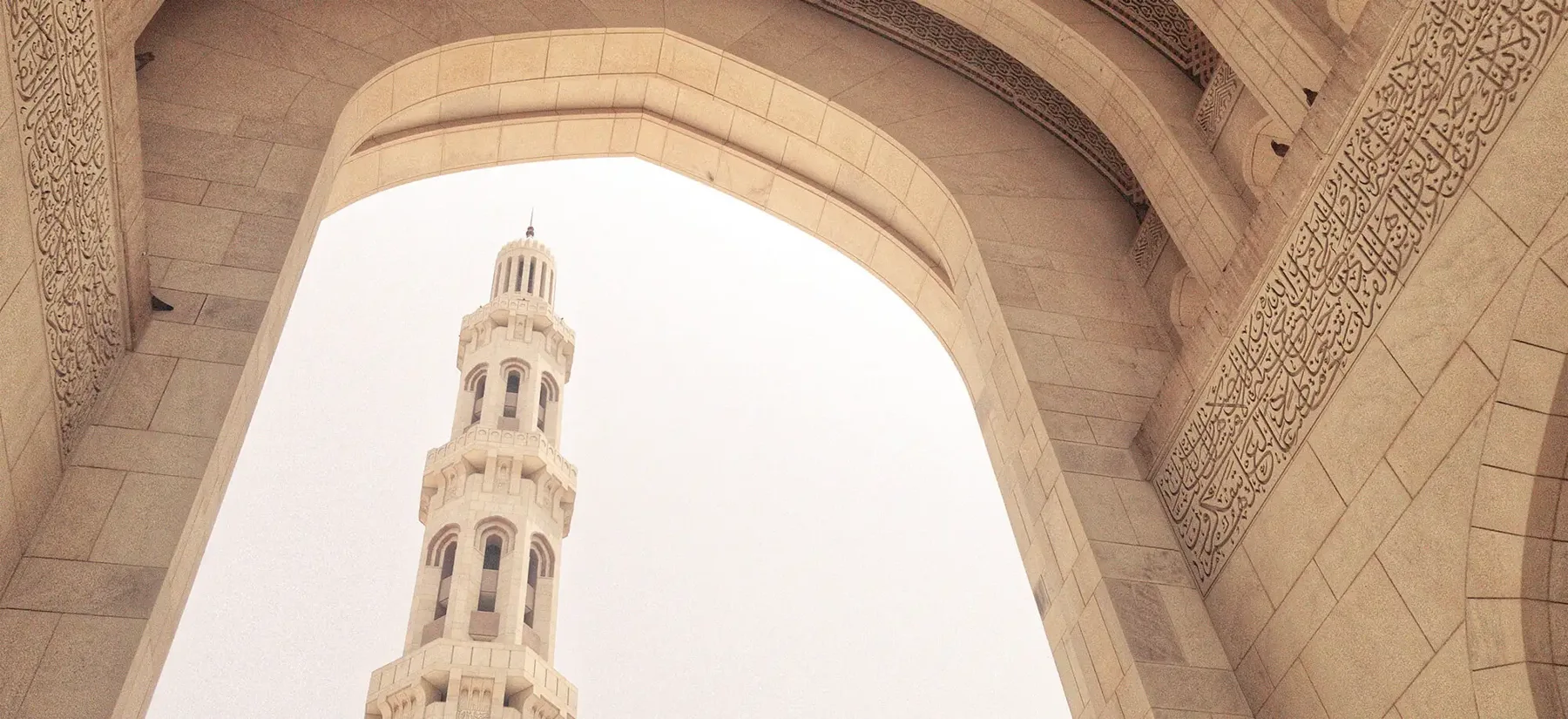
Landscape and retreat
Consider why the valley's terrain matters to its religious history. A thoughtful explanation adds context to the view.
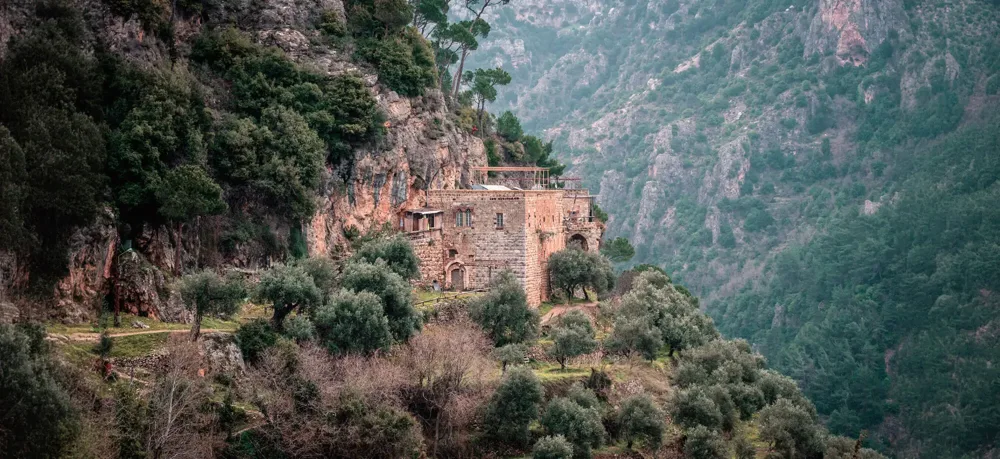
The Qadisha Valley in northern Lebanon links a rugged landscape with a long history of Christian monastic life. Its monasteries, hermitages and relationship with the nearby Cedars of God invite a cultural reading of the landscape, not simply a scenic walk.
These notes explain the heritage, not current visiting feasibility. Lebanon's conditions and official travel advice require review before any journey is considered. If circumstances permit planning, treat a valley walk, a monastery visit and the cedar forest as separate choices, each needing confirmed access and suitable conditions.
Consider why the valley's terrain matters to its religious history. A thoughtful explanation adds context to the view.
Individual monasteries have their own religious use and visiting expectations. They should not be treated as unrestricted attractions.
The nearby forest is a distinct place to understand and protect, not a guarantee that every valley trail passes among ancient trees.
Read current official guidance and independently verify whether travel should be considered.
Ask about distance, gradient, footing and any closures rather than relying on a valley-wide description.
Verify monastery entry, dress, photography and guiding arrangements locally if a visit becomes appropriate.
See current visitor reviews and practical information from Google Maps.
View on Google MapsDistances shown are straight-line estimates, not road distances or driving times. Check the route for your dates and transport.
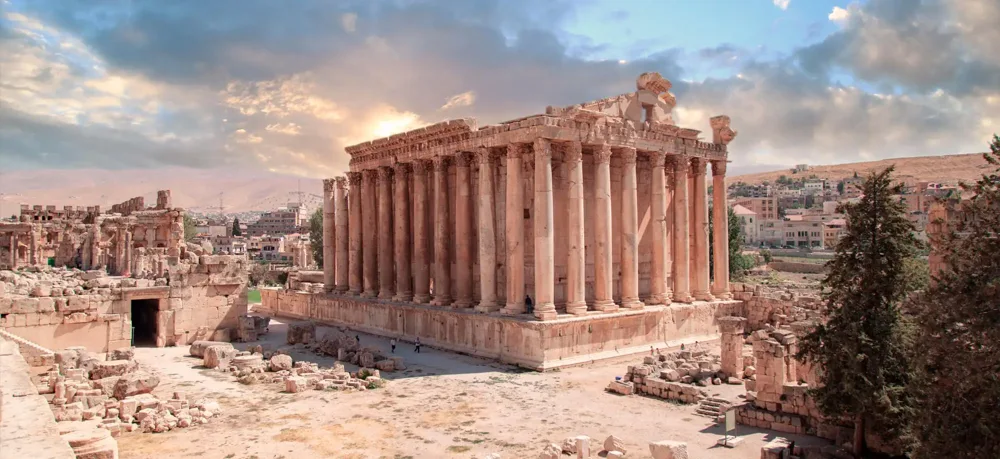
About 36 km in a straight line
Check the route ↗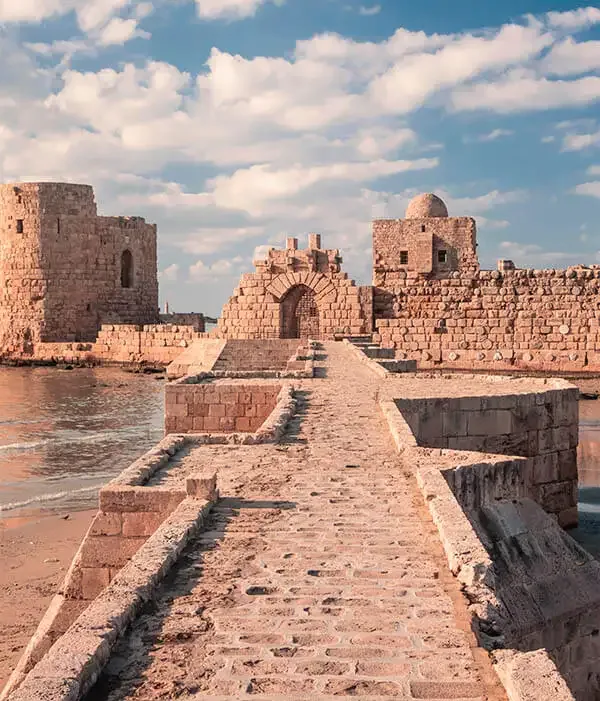
About 93 km in a straight line
Check the route ↗
About 129 km in a straight line
Check the route ↗Respect worship and quiet, leave fragile trees and archaeological features untouched and do not enter closed paths.
Let learning about the valley come first; current circumstances must decide whether an outing is possible.