

A different measure of time.
In Bhutan, the route is only part of the story. Valleys, monasteries and hillside villages offer moments that ask for attention rather than a photograph taken on the move.
Let walks, cultural visits and mountain roads unfold at a considered pace. Build the journey around your curiosity and energy, with time to adjust to the altitude and simply take in the view.
WHEN TO GO · MONTH BY MONTH
Bhutan, in your own time.
Find the season that suits the journey you want. Regional weather and local demand can differ.
Seasonal travel levelsRelative price
FavourableMixedChallenging
High seasonGolden seasonLow season
JanuaryLow season
Intense cold in valleys and mountains; unique snowy Himalayan landscapes and few tourists
Read the complete monthly guide
| Month | Season | Weather | Travel notes |
|---|---|---|---|
| January | Low season | Challenging | Intense cold in valleys and mountains; unique snowy Himalayan landscapes and few tourists |
| February | Low season | Mixed | Cold with authentic winter festivals; snowy Himalayan views without the crowds |
| March | Golden season | Mixed | Spring: Himalayan rhododendrons in bloom; pleasant climate for trekking and monasteries |
| April | Golden season | Favourable | Spring Peak; Himalayan flowers, ideal climate for hiking and Buddhist culture |
| May | Golden season | Mixed | Lush vegetation before monsoon (seasonal rains); unique green landscapes |
| June | Low season | Challenging | Monsoon (seasonal rains) active; access to mountains very difficult, dangerous roads |
| July | Low season | Challenging | Monsoon (seasonal rains) on the rise; Low visibility and impassable roads in Bhutan |
| August | Low season | Challenging | End of monsoon (seasonal rains); intense green, muddy roads and landslides |
| September | Golden season | Mixed | Post-monsoon (seasonal rains); clean air and absolutely clear Himalayan views |
| October | High season | Favourable | Best month in Bhutan: clear skies, Thimphu Tshechu festival and views of the Himalayas |
| November | High season | Mixed | Golden autumn, cold but very sunny; high altitude trekking and unique dzong festivals |
| December | Low season | Challenging | Intense cold; few tourists and very intimate and authentic winter festivals |
A seasonal planning guide, not a live forecast or quote. Season source ↗
THE JOURNEY BEGINS
Find your way
Your journey starts here. Explore the route to Bhutan.
From
Flight option—
Arrival gateway: Paro · PBH
Flight routes and connections must be confirmed for your travel dates.Bhutan
Natural Earth · OurAirports
PLACES & POSSIBILITIES
Find your own Bhutan.
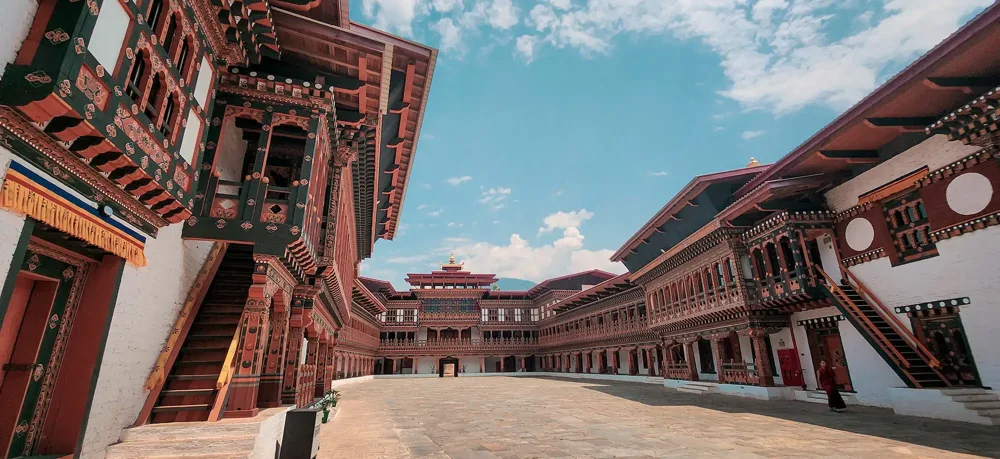
Punakha Valley
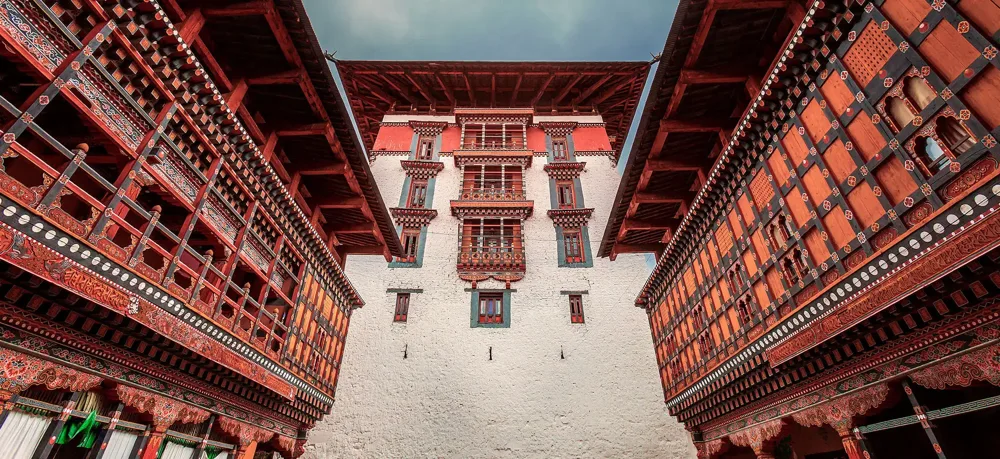
Dzong Tashichoe
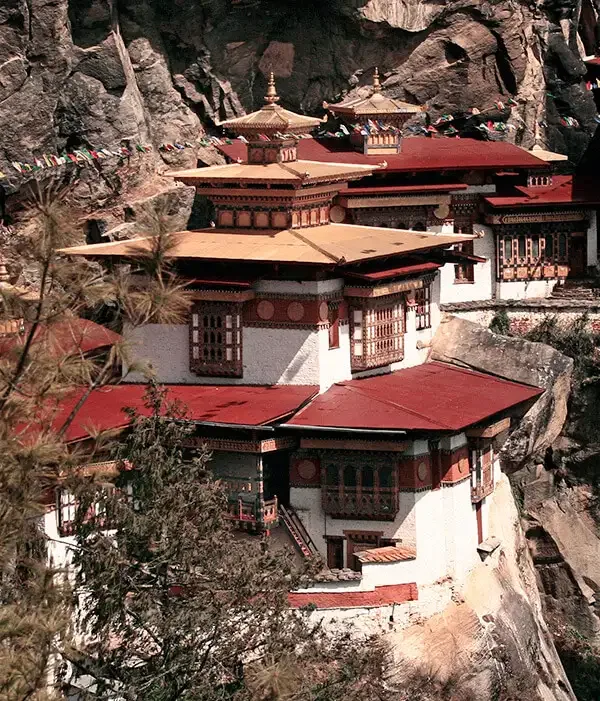
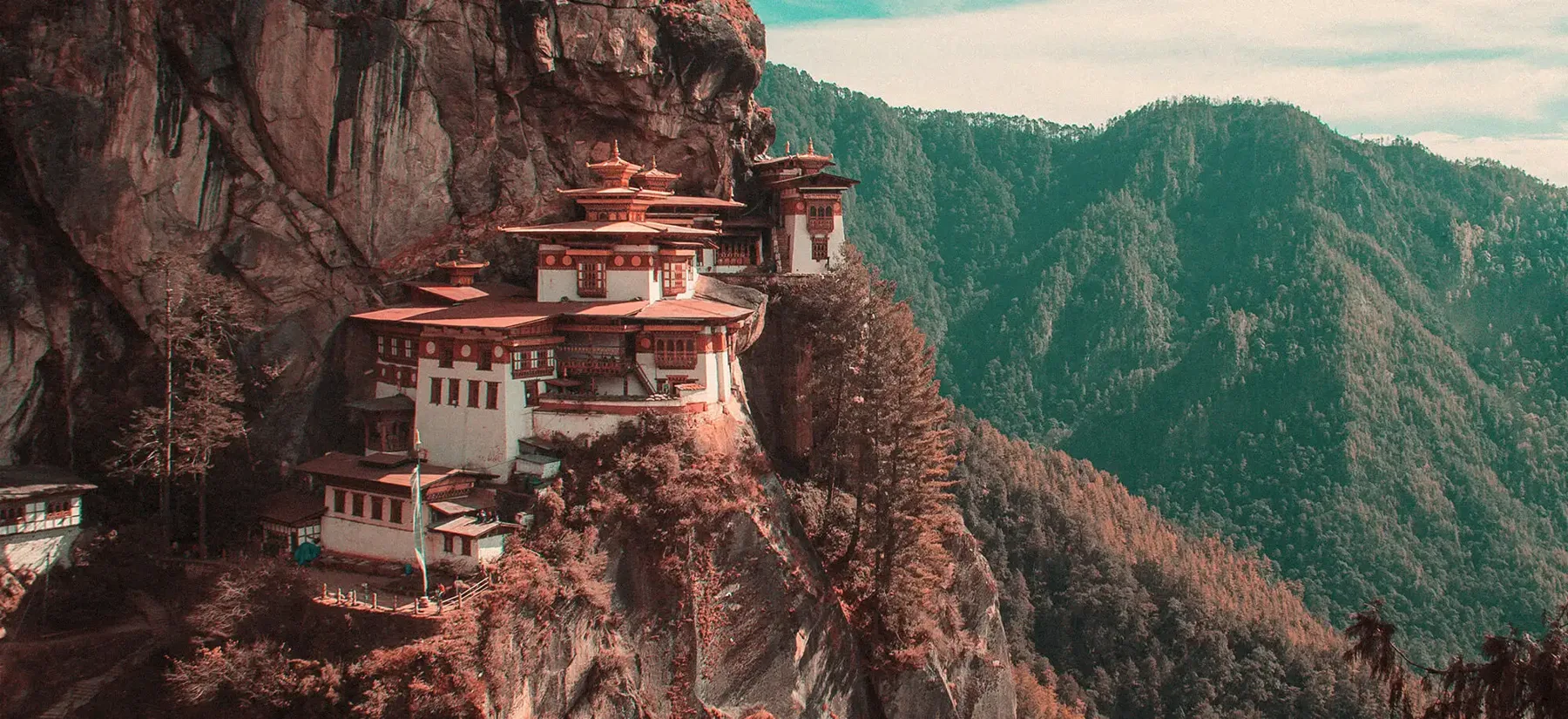
Taktshang Monastery
A CLOSER LOOK
More than a first impression.
Paro and Thimphu occupy separate valleys with very different rhythms. Spend time in the capital for the modern life around its institutions, then use Paro for a slower approach to its hillside monasteries.
Punakha brings lower valley air and a gentler way to spend the day. Its rivers and dzong help balance more strenuous hikes higher up the journey.
EXPERIENCES · BHUTAN
Find the moments that matter.
Take the climb to Taktshang
Give Tiger’s Nest an unhurried morning. The approach is part of the visit, with changing angles on the monastery and regular reasons to stop and catch your breath.
By the rivers in Punakha
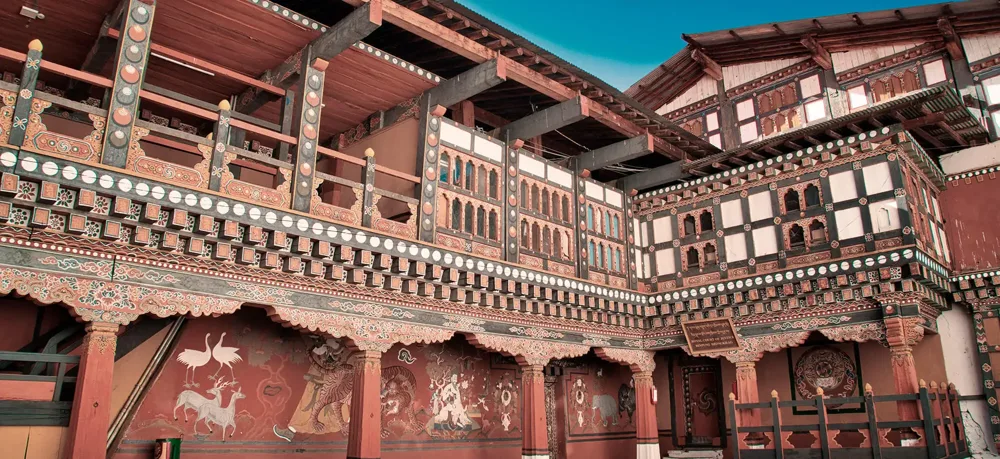
Walk around Punakha’s valley before or after seeing the dzong. The rivers explain the setting as clearly as the courtyards and painted walls tell its history.
Across to Haa
Give the Haa Valley a whole day at least if you are looking for a quieter mountain setting. Allow for the winding approach and a short walk after arrival.
YOUR WAY OF TRAVELLINGStart with a feeling.
Start with a feeling.
Shape the journey.
Spring and autumn usually suit a route built around outdoor time. Altitude and mountain roads can lengthen a day, especially when linking Paro, Thimphu and Punakha.
- Tell us what draws you here.
Your interests, pace and available time are where the plan begins.
- Consider a route that fits.
We will discuss the places, connections and stays that make sense together.
- Agree the details before you book.
Review the inclusions, availability and terms in your personal proposal.
A STARTING POINT · NOT A FIXED PACKAGE
A journey through three valleys
Begin in Paro, continue through Thimphu to lower-lying Punakha, then return to Paro with a full day for Tiger’s Nest or a quieter valley walk.
- Paro
- Thimphu
- Punakha
- Taktshang Monastery
YOUR PRIORITIES · YOUR BUDGET
Put the value where it matters.
A longer stay in one place, a particular room, a guide for a day: the right choices begin with what you care about. Tell us your priorities and the budget you have in mind for Bhutan.
A proposal with the details clear.
Accommodation, transport, activities and travel dates all affect the cost. We will set out the proposed services, inclusions and costs for your dates, so you can decide with the details in view.
Discuss your plansA CONVERSATION BEFORE A PLAN
Let’s talk about your Bhutan.
Tell our team what you want this journey to feel like. We will discuss the route, the season and the practical details, and confirm the services and local arrangements that are available for your dates.
Talk to our teamTRAVEL WITH CONSIDERATION
Leave room for the place itself.
Take off shoes and put cameras away wherever indicated inside dzongs and monasteries. Keep your voice low in prayer rooms and give worshippers space to pass.
Your Bhutan questions, answered.
When should I plan Tiger’s Nest?
Later in a Paro stay gives you time to settle in. Leave most of a day open so the climb can go at your pace.
What if I prefer low-intensity days?
Spend longer in Punakha and allow time for gentle valley walks and visits to dzongs, with shorter hikes around Paro.
Does Chomolhari fit a short visit?
Treat a Chomolhari trek as a separate journey that needs its own days for mountain conditions and altitude.
Let’s talk about your journey.
Tell us what draws you to Bhutan. We will begin with your ideas, then shape the details around you.
Plan your journey