



Architecture in the rock
Notice the relationship between exterior trenches, entrances and interior spaces rather than viewing each building in isolation.
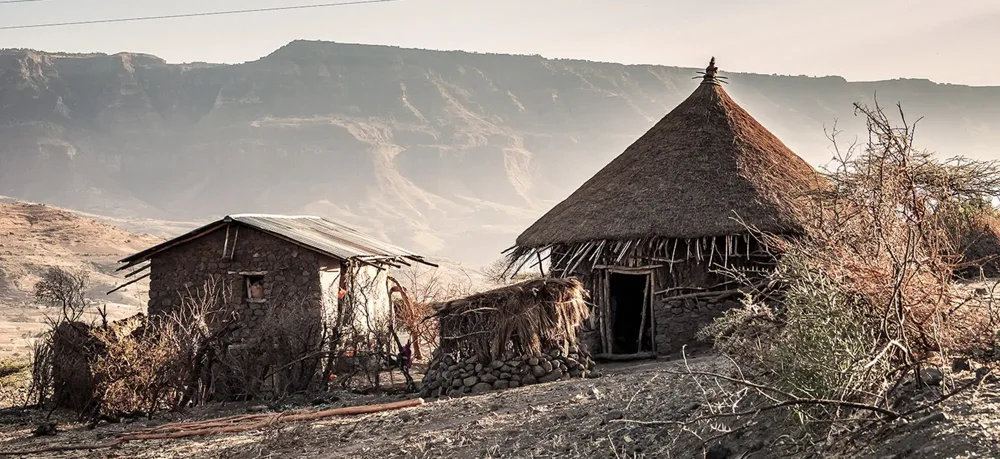
Lalibela's eleven medieval rock-hewn churches are a UNESCO World Heritage site and a living place of Ethiopian Orthodox worship. Their courtyards, passages and carved spaces deserve attention beyond the familiar view of Saint George's church.
This is heritage to understand before it is an itinerary to book. Lalibela lies in Amhara, where current official advice warns against travel. Review the latest advice and local conditions before considering any journey; these descriptions do not establish that visits are feasible.
Notice the relationship between exterior trenches, entrances and interior spaces rather than viewing each building in isolation.
Its distinctive form is only one chapter of the complex. Give the other churches their own historical context.
Religious life continues here. A meaningful visit must make room for worshippers, not expect them to accommodate photography.
Consult current official regional advice and independently confirm whether any proposed journey is appropriate.
Steps, uneven rock and narrow passages require a realistic assessment of mobility and suitable footwear.
If conditions permit a visit, confirm guiding language, access rules and religious observances locally.
See current visitor reviews and practical information from Google Maps.
View on Google MapsDistances shown are straight-line estimates, not road distances or driving times. Check the route for your dates and transport.
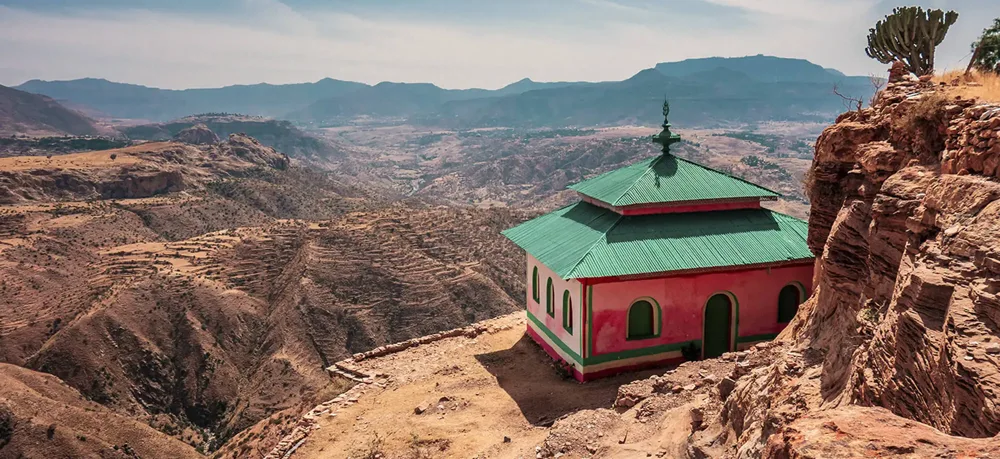
About 235 km in a straight line
Check the route ↗
About 281 km in a straight line
Check the route ↗
About 525 km in a straight line
Check the route ↗Follow church guidance on dress, footwear and photographs. Do not touch fragile surfaces or interrupt worship.
Let your interest in this heritage guide further research, while current conditions determine whether travel should be considered.