

Different communities
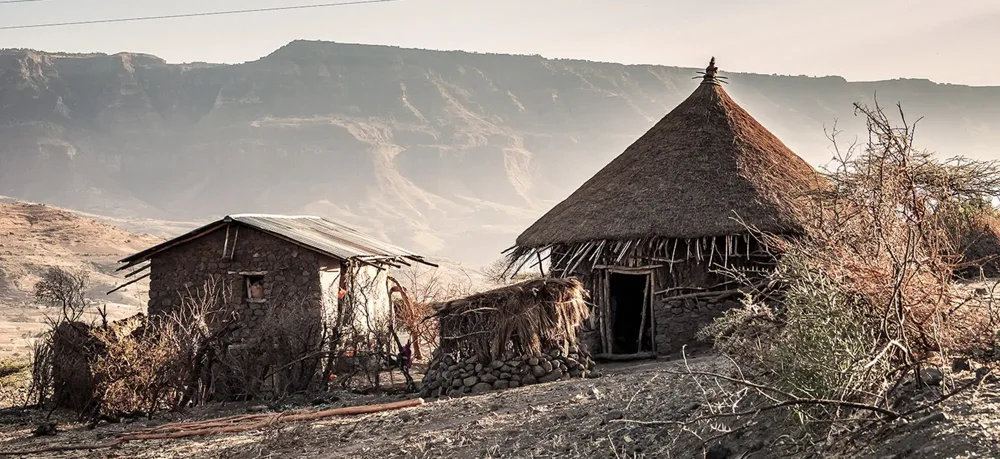
Avoid treating the valley as one culture. Ask how communities identify themselves and let individual voices complicate easy assumptions.
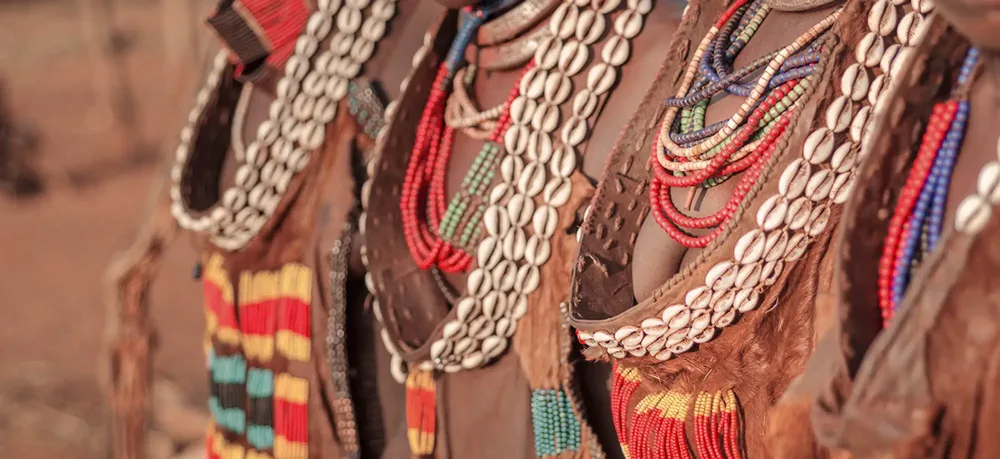
The Omo Valley is home to distinct communities, including Mursi and Hamer people, whose present-day lives cannot be explained by clothing or ceremony alone. Approach cultural travel here as an exchange between people, not a search for a scene that has stood still.
Local markets can reveal everyday trade and social life, but they are not staged attractions. Before considering a journey, review current regional travel advice and discuss access with informed local contacts. Any community visit needs a clear invitation and arrangements that respect residents' choices.
Avoid treating the valley as one culture. Ask how communities identify themselves and let individual voices complicate easy assumptions.
Where visits are welcomed, watch how trade works without blocking stalls or treating customers as subjects.
Consider locally made work on its own terms. Ask about the maker and materials without assuming every object has ceremonial significance.
Agree how visits and photography work in advance. A person's refusal should always be enough.
Check current roads, regional advice and local access before fixing dates or moving between communities.
Ask who benefits from the visit, who hosts it and what behaviour residents expect.
See current visitor reviews and practical information from Google Maps.
View on Google MapsDistances shown are straight-line estimates, not road distances or driving times. Check the route for your dates and transport.
About 525 km in a straight line
Check the route ↗
About 730 km in a straight line
Check the route ↗
About 805 km in a straight line
Check the route ↗Do not request staged rituals, distribute sweets to children or photograph without permission. Respect boundaries and pay agreed local fees transparently.
A worthwhile encounter begins with listening. Let that principle shape whether, where and how a visit happens.