
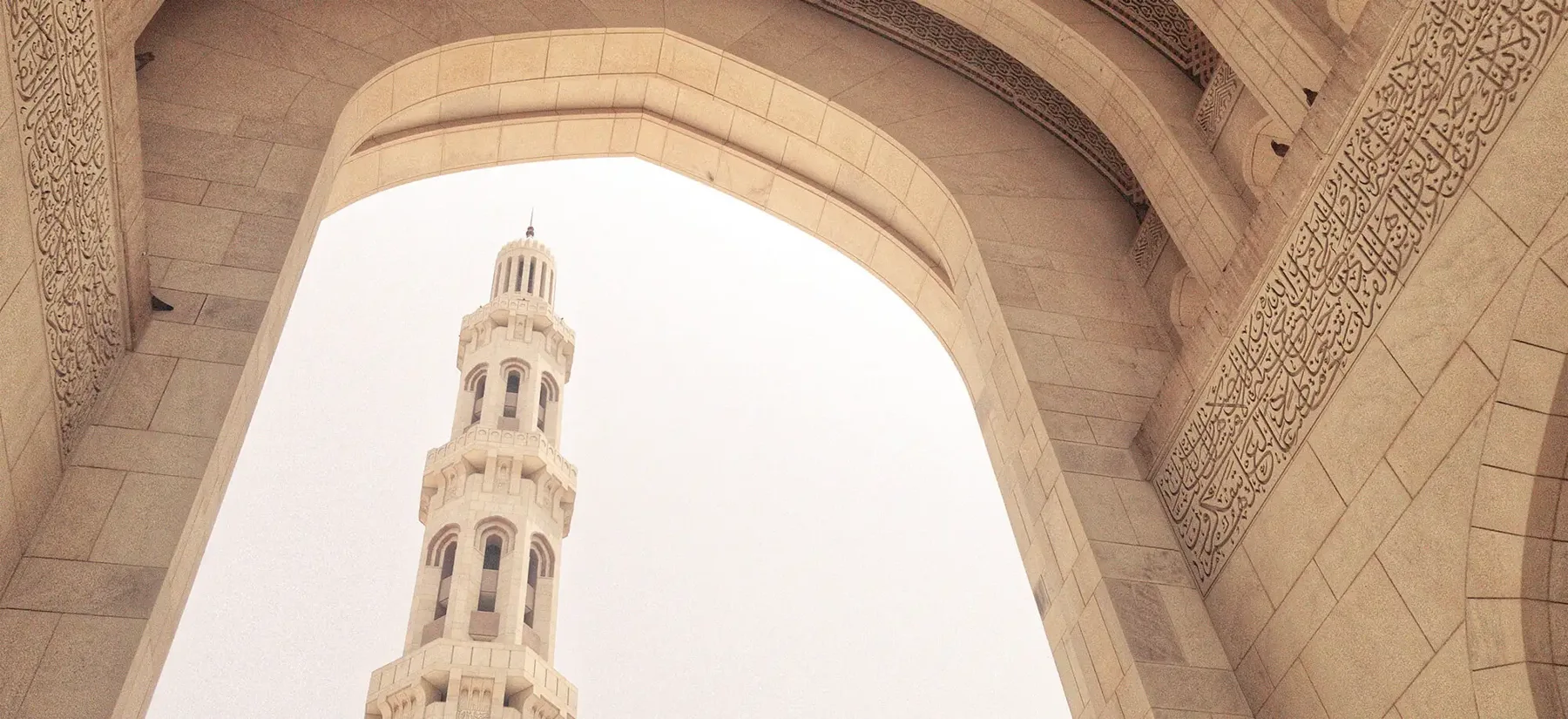
Changing landscapes
Notice the shifts in vegetation and temperature as part of the journey, rather than seeing each day only as distance towards the top.
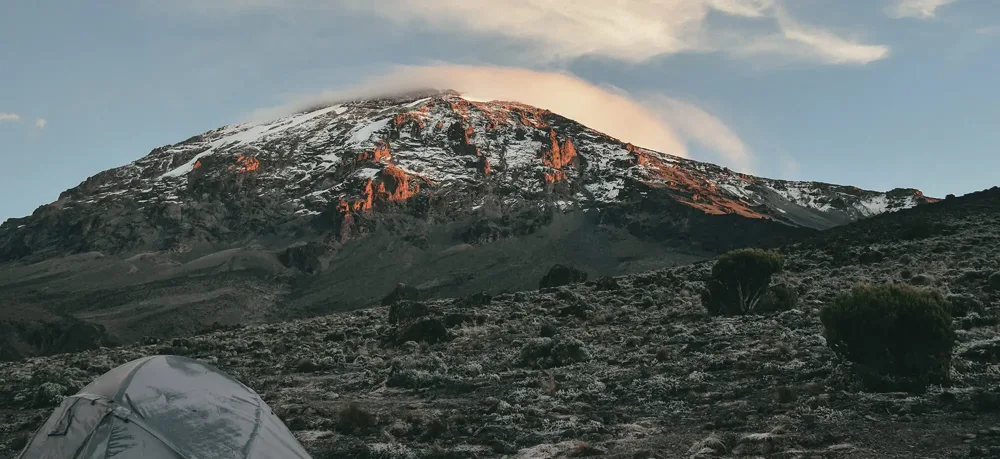
Kilimanjaro rises through distinct environments, from forest to high mountain terrain. A summit climb is a multi-day expedition, while an authorised lower-level outing can introduce the mountain without pretending to be a shortened version of the same challenge.
Choose the objective before choosing the route. Fitness alone does not remove altitude risk, and reaching the summit must never outweigh a guide’s decision to descend. Preparation should include an honest discussion of experience, acclimatisation and medical suitability.
Notice the shifts in vegetation and temperature as part of the journey, rather than seeing each day only as distance towards the top.
Use a reputable registered operator with trained guides, appropriate permits and clear safety arrangements.
Ask about porter welfare, equipment, loads and working conditions. The people supporting the climb are central to the experience.
Confirm route, acclimatisation days, equipment, insurance and evacuation arrangements with the operator. Seek appropriate medical advice before committing to altitude travel.
Group nearby stops and confirm transport back before setting out. Ask about steps, uneven ground and accessible alternatives if these affect your day.
Confirm opening arrangements, visitor rules and any advance booking with the site or local operator for your travel date.
See current visitor reviews and practical information from Google Maps.
View on Google MapsDistances shown are straight-line estimates, not road distances or driving times. Check the route for your dates and transport.
Follow park rules and guide decisions, use designated routes and carry waste out. Treat any descent for safety as the right decision, not a failed journey.
Tell us what you would enjoy here, and we can discuss how this stop fits your wider journey.