

The history behind the route
Listen to the explanation and distinguish memorial, observation and controlled-access sites.
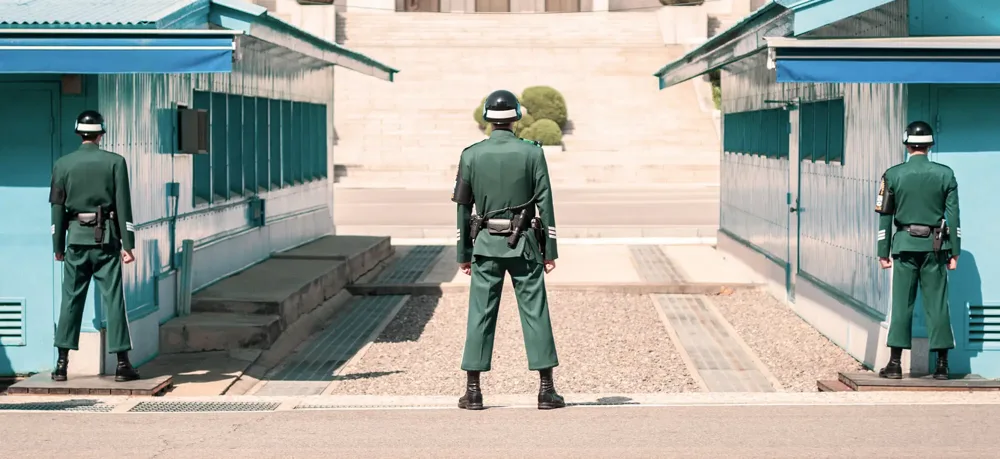
A place to understand history, with access that must be arranged.
Take a closer lookA visit associated with the Korean Demilitarized Zone introduces the history of division and its continuing human meaning. Different visitor programmes cover different sites; a tour described as DMZ does not automatically include the Joint Security Area.
Choose an authorised programme and a guide who explains the context carefully. The value lies in understanding the places you may visit, not in treating a controlled border area as an ordinary attraction.
Listen to the explanation and distinguish memorial, observation and controlled-access sites.
Ask which stops are included and which remain subject to approval or operation.
Follow photography, movement and behaviour instructions throughout the outing.
Check current operation, identification requirements, nationality restrictions where applicable and cancellation arrangements. Access can change or close without the itinerary’s control.
Choose clothing, walking distances and breaks for the local weather and your mobility.
Check current opening arrangements, access rules and any reservations for your travel date.
See current visitor reviews and practical information from Google Maps.
View on Google MapsDistances shown are straight-line estimates, not road distances or driving times. Check the route for your dates and transport.
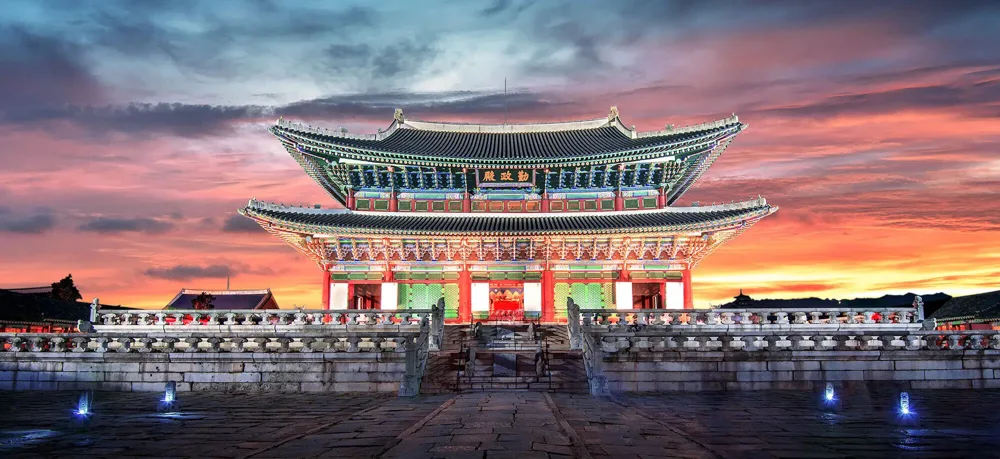
About 86 km in a straight line
Check the route ↗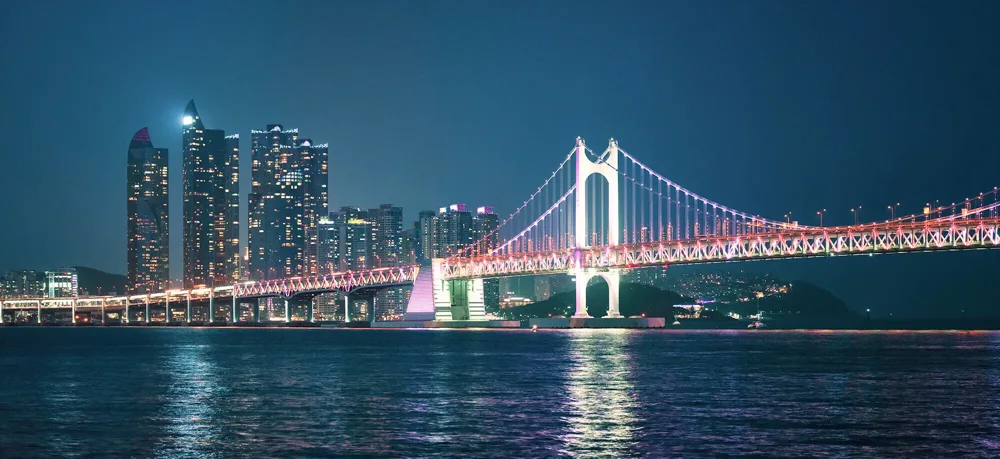
About 387 km in a straight line
Check the route ↗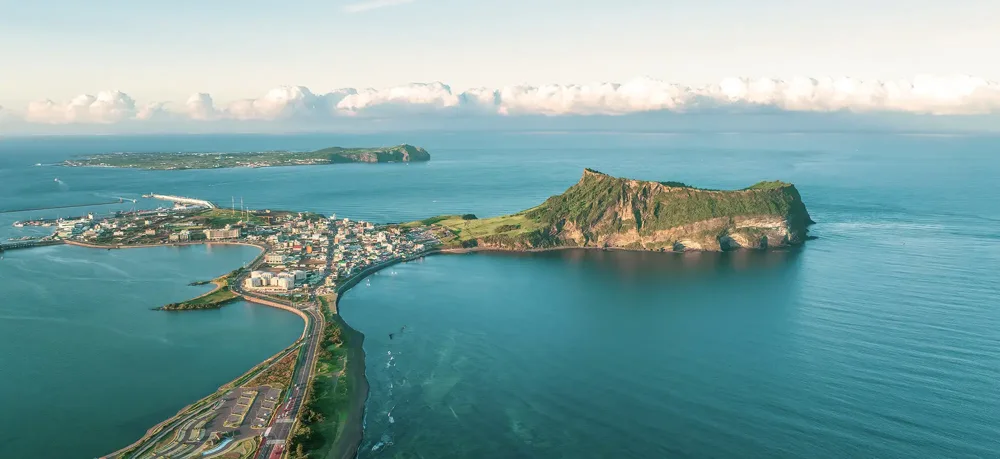
About 553 km in a straight line
Check the route ↗Leave places as you find them. Respect private spaces, follow local guidance and ask before photographing people.
Tell us what you would enjoy here; we will discuss how this stop fits your wider South Korea journey.