

The Parthenon in context
Consider the building's history and changing uses, as well as its columns. Not every detail is best understood from one photograph.
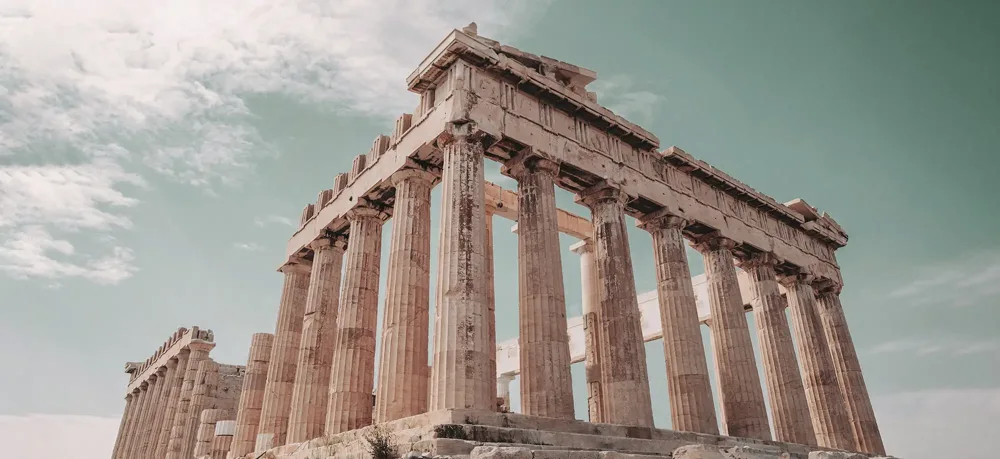
The Acropolis shapes the Athens skyline, but its buildings deserve more than a distant view. The Parthenon and Erechtheion belong to a complex historical site; a little context before the ascent helps the surviving structures become more than familiar names.
Plan the archaeological site and the Acropolis Museum as separate visits with distinct tickets and entry arrangements. The museum can deepen what you see on the rock, not replace it. Avoid placing them so tightly together that walking, rest and the view over Athens disappear from the day.
Consider the building's history and changing uses, as well as its columns. Not every detail is best understood from one photograph.
Give the Erechtheion and other visible remains attention within the wider site, following the permitted route.
A museum visit helps connect architecture and sculpture. Check the current displays and allow its own time.
Check timed admission and current visitor arrangements for the site and museum separately.
Uneven stone, slopes and exposed areas require suitable shoes, water and a realistic walking plan.
Heat or operational restrictions may affect access. Review current official information before the visit.
See current visitor reviews and practical information from Google Maps.
View on Google MapsDistances shown are straight-line estimates, not road distances or driving times. Check the route for your dates and transport.
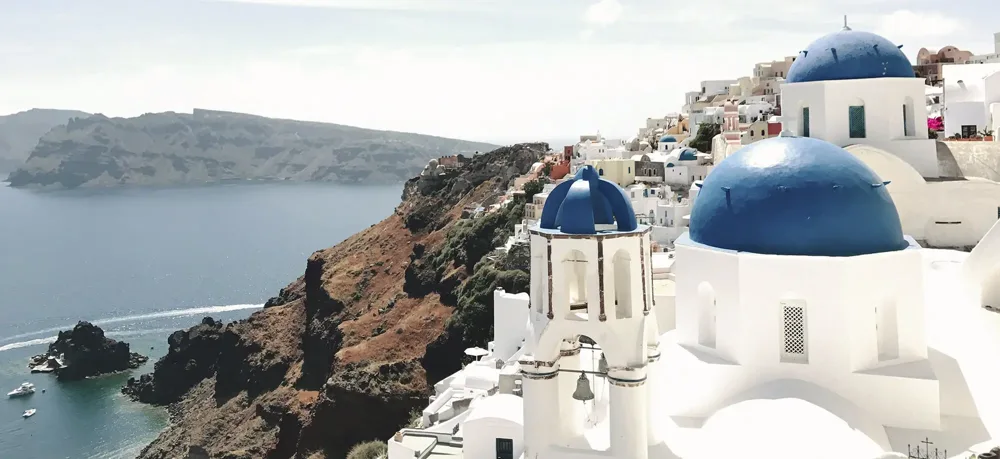
About 230 km in a straight line
Check the route ↗
Stay behind barriers, do not touch or climb ancient remains and leave passages clear for other visitors.
Would you like a historical introduction before the climb or a museum visit that brings the details together afterwards?