

Reed-edge movement
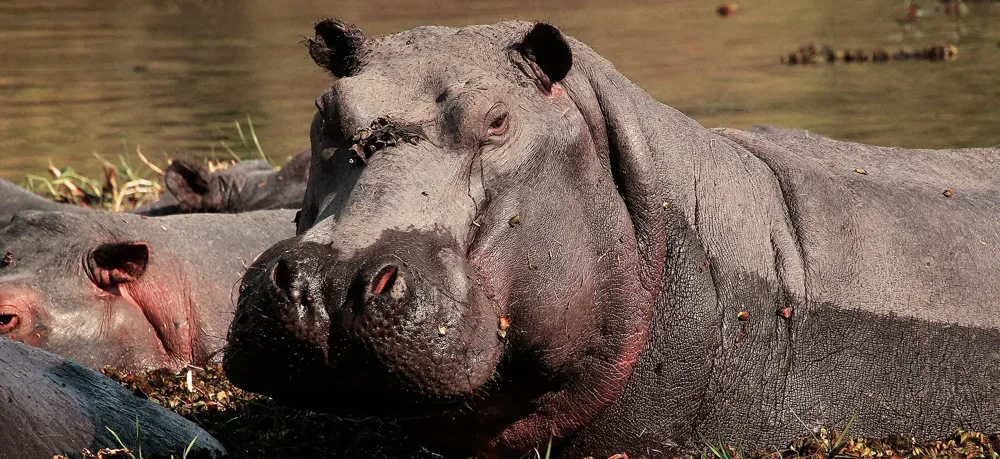
On a suitable water outing, listen and watch the margins rather than looking only for larger animals.
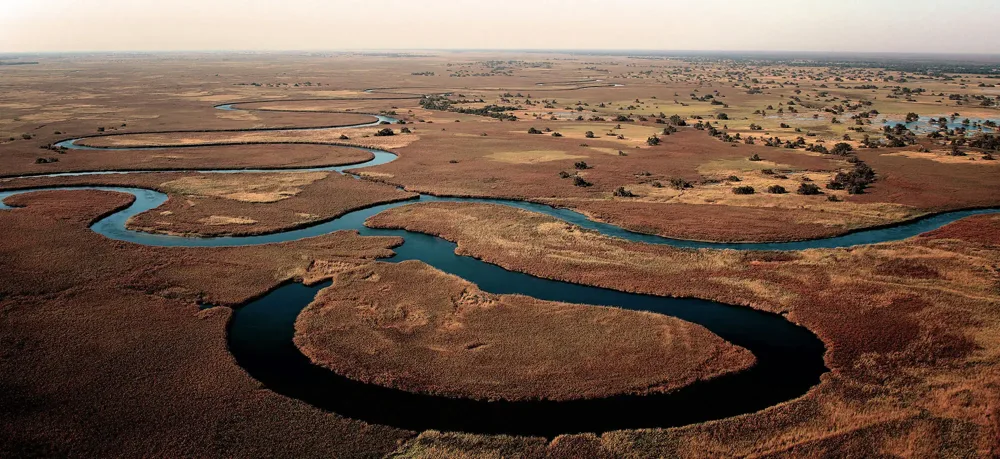
The Okavango spreads inland through channels, lagoons and islands rather than continuing to the sea. Water and dry ground sit close together, shaping different ways to notice Botswana's wildlife and landscapes.
Choose a few days instead of a single promised encounter. An appropriate water outing can change the perspective of a land drive, but depth, flood patterns and the base you choose decide what is actually possible.
On a suitable water outing, listen and watch the margins rather than looking only for larger animals.
Compare island and floodplain perspectives with available land viewing, allowing time for the habitats rather than one sighting.
Several mornings let the day develop with conditions instead of requiring every wildlife wish to happen at once.
Discuss the exact base and available outings; not every delta stay offers the same land-and-water balance.
Local rain and the flood have different rhythms. Check conditions for the dates you intend to visit.
Confirm transfer arrangements between regions and allow enough nights to justify each move into the delta.
See current visitor reviews and practical information from Google Maps.
View on Google MapsDistances shown are straight-line estimates, not road distances or driving times. Check the route for your dates and transport.
About 38 km in a straight line
Check the route ↗
About 291 km in a straight line
Check the route ↗
About 295 km in a straight line
Check the route ↗Keep voices low and follow guide positioning around wildlife. Leave animals space and pack out loose rubbish from camp.
Tell us whether channels, land viewing or both attract you, so we can consider the right delta chapter for your route.