


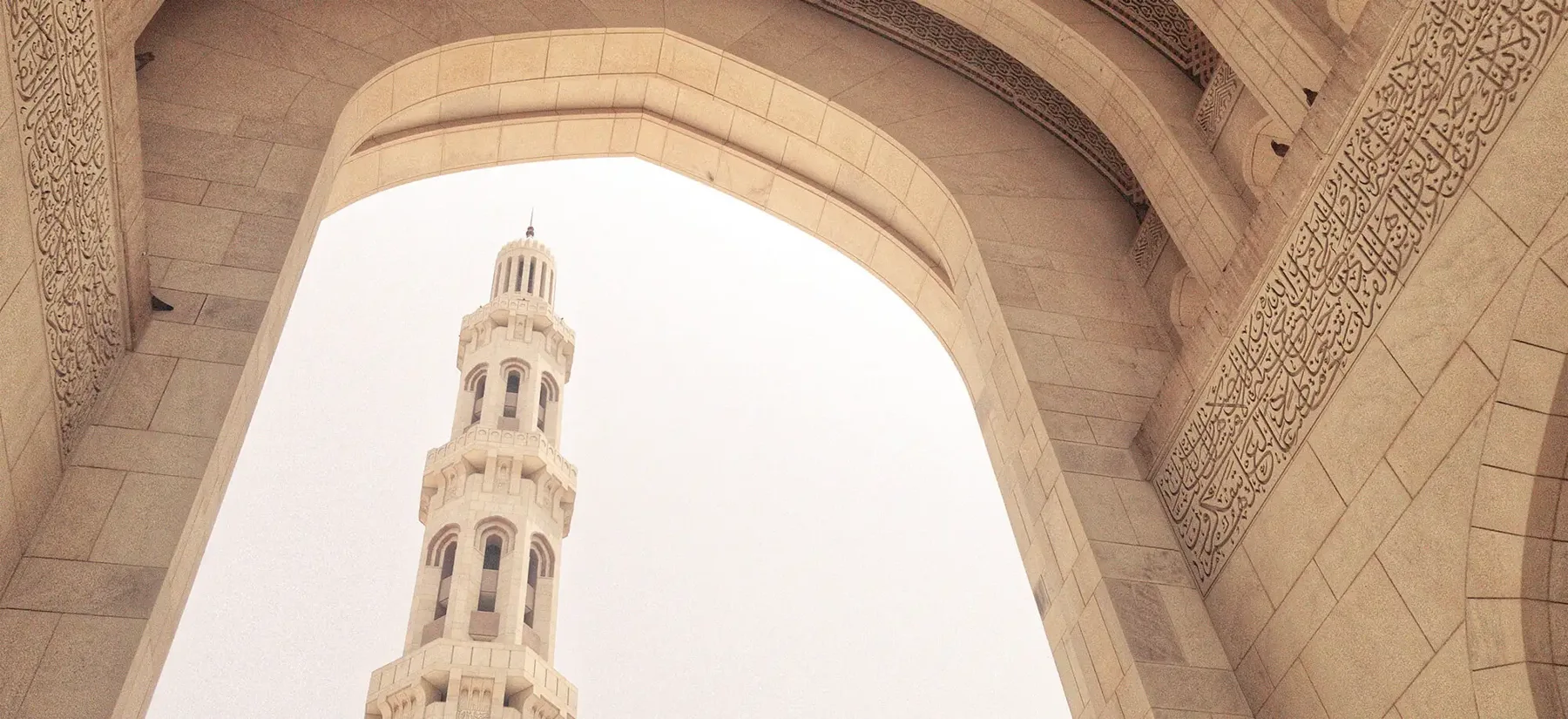
Temple and river
Look at how shrines and riverbank belong together, while keeping to areas currently permitted for visitors.

At Pashupatinath, the riverbank is part of a place of active Hindu worship. Begin by understanding where visitors may go, rather than assuming every doorway is an invitation.
Give the wider complex time with a knowledgeable guide if helpful. You may encounter funeral rites beside the river; these are personal acts of grief and faith, never a performance arranged for travellers.
Look at how shrines and riverbank belong together, while keeping to areas currently permitted for visitors.
Observe quietly and leave worshippers room. The value of a visit is not measured by how closely you approach.
Let explanation come first. Some moments should be understood without a camera.
Non-Hindus may not enter the main temple. Confirm the current boundaries for the wider visit locally.
Follow the site’s instructions on clothing, footwear and behaviour, including any guidance given by staff.
Do not place a tight onward connection after the visit. Take time to process what you have seen.
See current visitor reviews and practical information from Google Maps.
View on Google MapsDistances shown are straight-line estimates, not road distances or driving times. Check the route for your dates and transport.

About 4.0 km in a straight line
Check the route ↗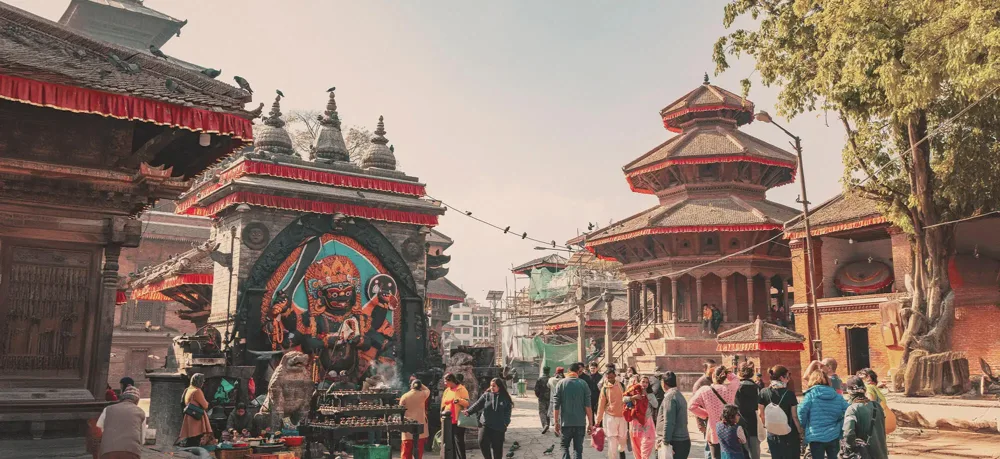
About 4.1 km in a straight line
Check the route ↗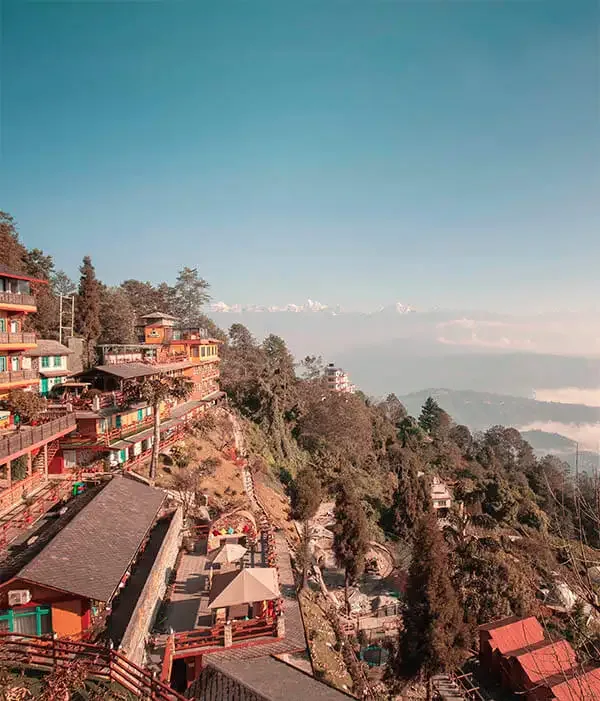
About 17 km in a straight line
Check the route ↗Do not photograph mourners or cremation rites without explicit permission. Keep conversations quiet and never intrude for a view.
What changes when you arrive prepared to listen rather than collect a scene?