

Changing habitats
Notice vegetation and water as part of what makes wildlife observation possible.
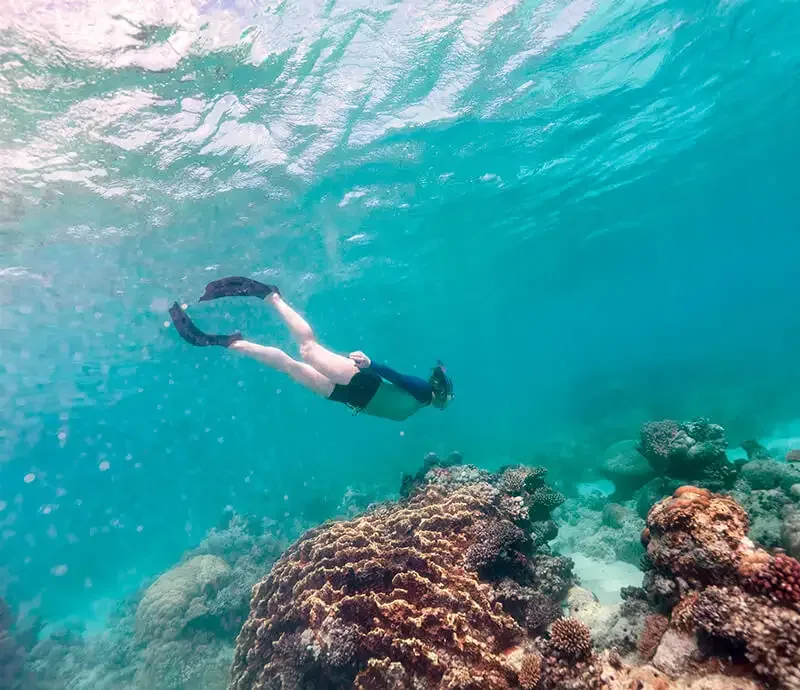
Look for the story of a landscape, not only its animals.
Take a closer lookGorongosa National Park belongs to a different chapter of Mozambique from the island coast. A visit can introduce habitats and wildlife alongside the park's restoration work, rather than treating a safari as a competition to complete a species list.
Choose guiding that makes room for questions: how water changes the landscape, what conservation involves and why the surrounding communities matter. Animal sightings depend on conditions and chance; a useful day can reveal much without delivering a particular encounter.
Notice vegetation and water as part of what makes wildlife observation possible.
Ask about current conservation work and distinguish ongoing efforts from finished success stories.
Take time to watch without chasing animals or demanding closer approaches.
Check the park's current operating dates; seasonal rain affects access and visitor operations.
Confirm accommodation, authorised guiding, fees and permitted activities directly with the appropriate provider.
Plan any Bazaruto combination as another leg with verified transfers, not a nearby afternoon addition.
See current visitor reviews and practical information from Google Maps.
View on Google MapsDistances shown are straight-line estimates, not road distances or driving times. Check the route for your dates and transport.
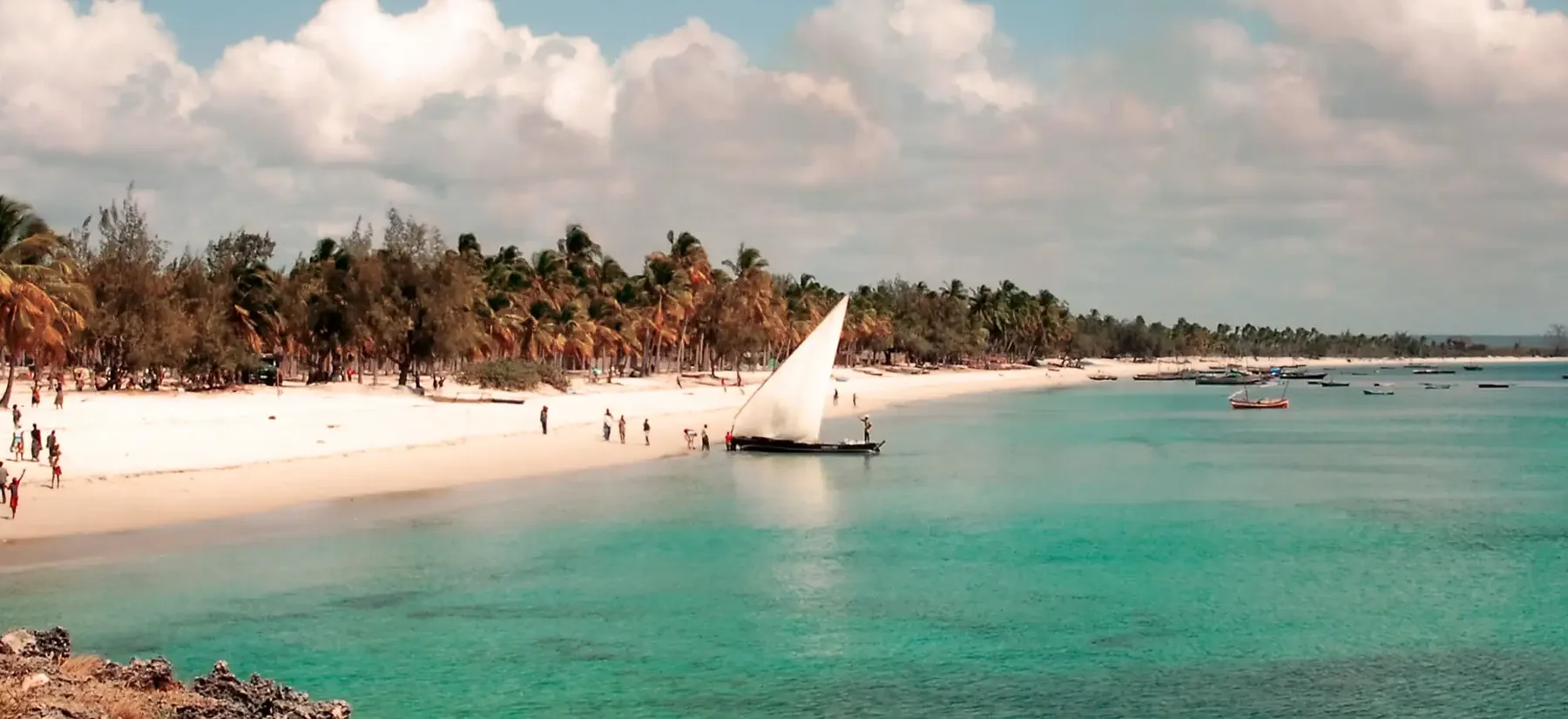
About 346 km in a straight line
Check the route ↗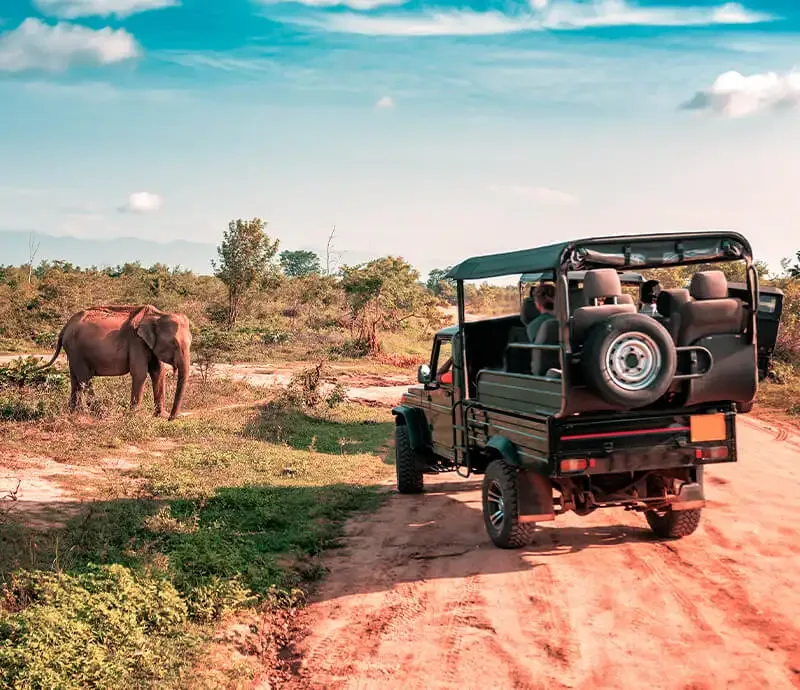
Follow park and guide instructions, remain in permitted areas and do not feed wildlife. Respect community visits as agreed encounters.
Would you like a safari that leaves time to understand what you are seeing?