

More than dunes
Look for the changes between rocky land, plains and sand.
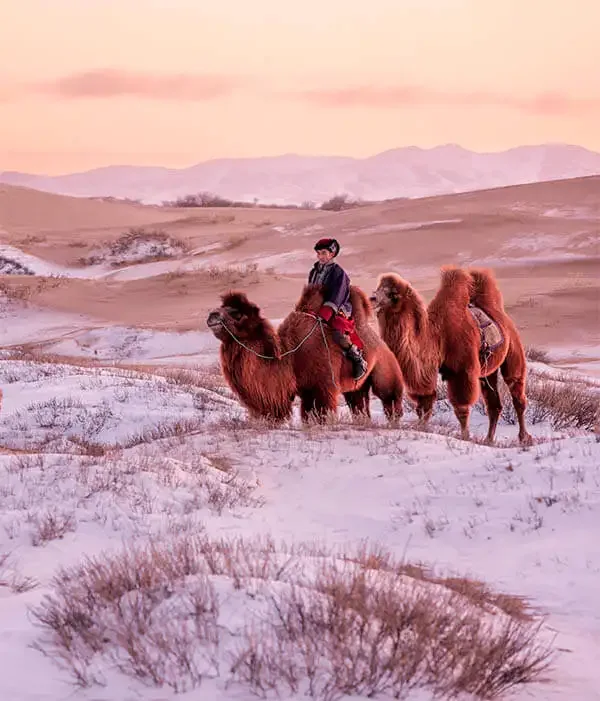
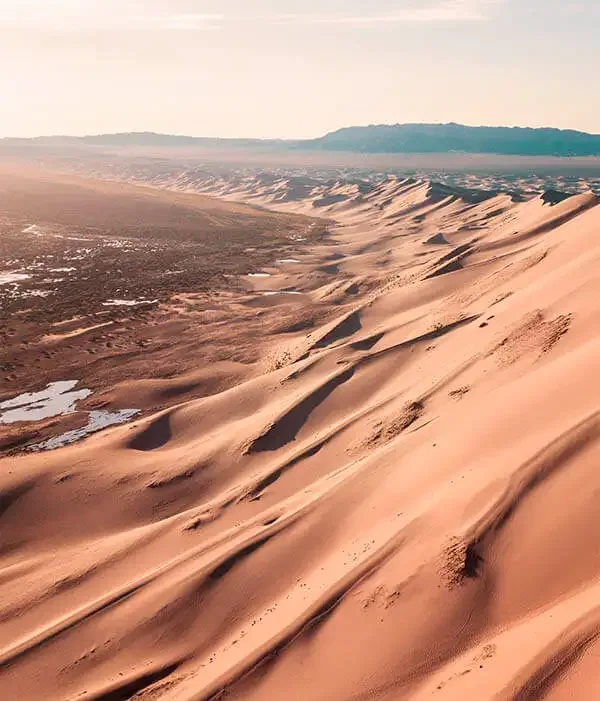
The Gobi extends across southern Mongolia and northern China, with much more than sand in its landscape. Rocky ground, open plains and mountain forms belong to the desert as much as the dunes that tend to fill photographs.
For a journey in Mongolia, choose a manageable route within the Mongolian Gobi rather than treating the entire desert as one attraction. Khongoryn Els can be a particular chapter; the travel between places is another, deserving time and proper preparation.
Look for the changes between rocky land, plains and sand.
Ask about the region's formations and palaeontological interest without collecting or disturbing specimens.
A clear night can reward a quiet look upwards, but clouds and conditions remain part of the experience.
Agree actual stops, vehicle arrangements, fuel, communications and contingency plans with an experienced operator.
Check washing facilities, heating, meals and power at each overnight stop rather than assuming uniform comfort.
Build flexibility for temperatures and road conditions; a straight line on a map is not a driving estimate.
See current visitor reviews and practical information from Google Maps.
View on Google MapsDistances shown are straight-line estimates, not road distances or driving times. Check the route for your dates and transport.
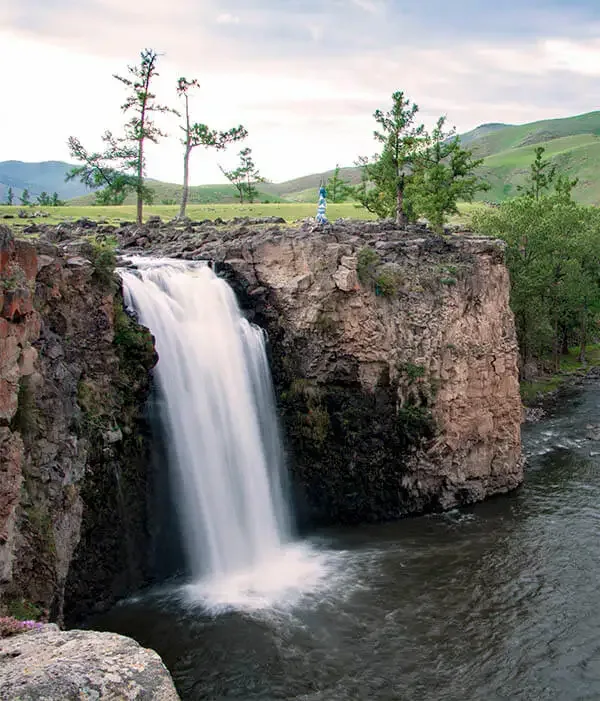
About 554 km in a straight line
Check the route ↗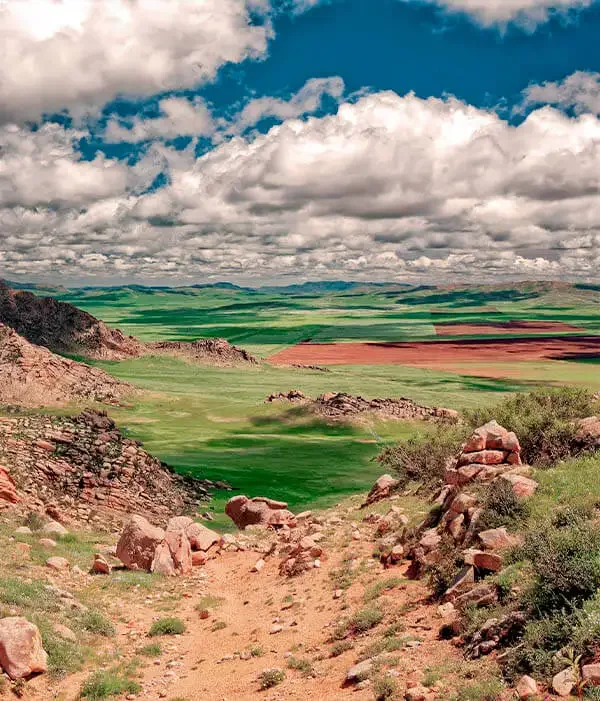
Leave fossils, stones and plants where they belong. Use established tracks, minimise waste and respect herders' homes and grazing land.
Would you give the Gobi a few carefully chosen chapters instead of trying to cover it all?